
Modular & Container House FAQ | GDWB Prefab House
This FAQ provides practical information for buyers, contractors, project consultants and procurement teams evaluating modular buildings, container houses and workforce accommodation projects.
GDWB supplies modular building solutions including expandable container houses, flat-pack container houses, foldable units and other prefabricated building systems.
Different systems are suitable for different applications, transportation conditions, installation methods and project scales.
A flat-pack container house is transported as modular components and assembled on site. It is commonly considered for projects requiring multiple standardized units such as dormitories, site offices and welfare facilities.
An expandable container house is transported in a compact folded configuration and expanded on site to provide a larger usable floor area.
The appropriate system depends on the number of units, required floor area, transportation plan, installation conditions and intended use.
For a detailed comparison, see Flat-Pack vs Expandable Container House .
There is no single configuration suitable for every workforce camp.
Flat-pack systems can be considered for standardized dormitories, offices, welfare rooms and other multi-unit facilities. Expandable or foldable units may be considered where larger individual accommodation units or rapid deployment are required.
A complete camp can also combine different unit types according to the functions required by the project.
Depending on the selected model and configuration, modular buildings can be used for:
Yes. Layout customization can be discussed according to the selected product, project requirements and confirmed structural configuration.
Depending on the model, customization may include:
Yes. If you already have architectural drawings, floor plans or project specifications, you can send them to GDWB for review.
Providing drawings early helps confirm dimensions, room arrangements, openings, utilities and other project requirements before production.
Electrical configuration should be confirmed according to the destination country and project requirements.
When requesting a quotation, provide the destination country and any known electrical standards or specifications. The final electrical configuration should be confirmed before production.
Depending on the selected product, different wall panel cores, thicknesses and finish options may be available.
Climate, insulation requirements, fire performance, acoustic requirements and local building requirements should be considered when selecting the final specification.
Customization options depend on the selected product and confirmed configuration. Buyers can discuss door and window positions, interior finishes, flooring, ceiling, kitchen and bathroom arrangements and other project-specific requirements during the quotation and drawing-confirmation stage.
The final specification should be confirmed in the approved drawings or commercial documentation before production.
MOQ depends on the specific product and configuration. Some products can be discussed from a small quantity, while larger projects are quoted according to the total quantity and project requirements.
Please provide the product type and estimated quantity so the appropriate commercial terms can be confirmed.
For a useful project quotation, provide:
If you already have drawings or project specifications, send them with your inquiry.
At minimum, provide your destination country, product type, estimated quantity, application and preferred layout.
For larger projects, also provide drawings, delivery location, target schedule and any known local technical requirements.
Payment terms depend on the product, order quantity and commercial agreement.
Always confirm the exact payment terms, currency, Incoterms and payment schedule in the final quotation and sales contract.
The final project cost can be affected by the selected building system, unit quantity, layout, materials, insulation, electrical configuration, interior finishes, packaging method, shipping requirements, destination and other project-specific specifications.
For larger projects, a complete specification and logistics plan should be confirmed before comparing supplier quotations.
Production time depends on the product type, order quantity, customization, material availability and production schedule.
The final production schedule should be confirmed in writing after the product configuration and order details are finalized.
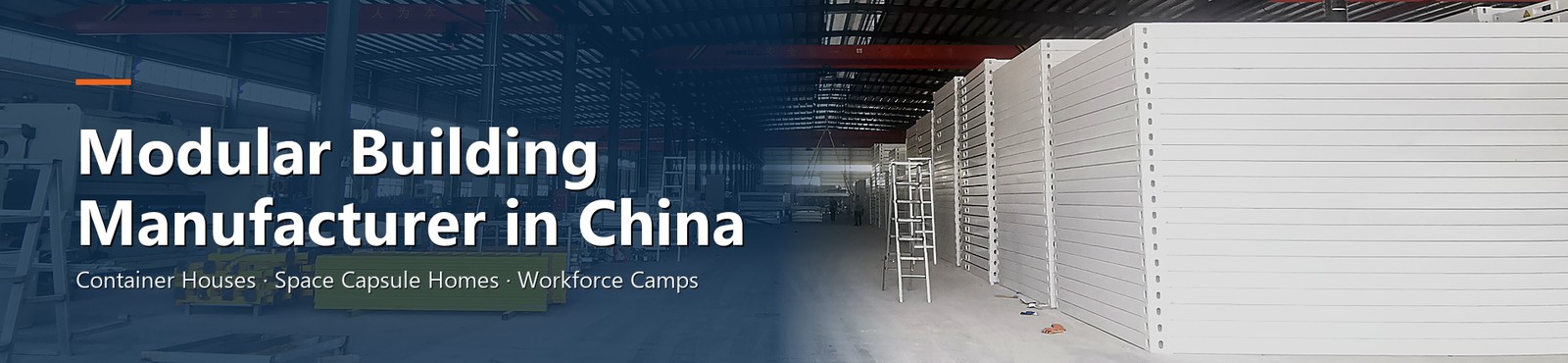
GDWB operates production facilities for modular building products. Factory and production-base information may vary by product and project.
For a specific project, buyers can request applicable factory information, production capacity and product documentation before placing an order.
Depending on the product and project, buyers may request relevant technical and quality documentation such as:
Inspection arrangements can be discussed according to the product and project requirements.
Buyers may request production photographs, inspection records, loading photographs or other applicable quality documentation. For larger or higher-risk projects, an independent inspection can also be considered.
Shipping methods depend on the product type. Expandable and foldable units can be transported in compact configurations, while flat-pack systems are transported as modular components.
The exact packing method affects the number of units per container, freight cost, unloading requirements and installation sequence.
The loading quantity depends on the product model, packing method, wall thickness, configuration and container-loading plan.
For more information about importing modular buildings from China, see: How to Import Container Houses from China: From Inquiry to On-Site Installation .
For project orders, the packing and loading plan can be reviewed according to:
Confirming the loading plan before shipment helps buyers estimate container requirements and logistics costs.
Import procedures depend on the destination country. The manufacturer provides commercial and technical documents required for export, while import duties, customs procedures, HS classification and local requirements should be confirmed with the buyer's customs broker or freight forwarder.
The required document package depends on the destination country, product and shipping arrangement.
Typical export and project documentation may include commercial invoices, packing lists, shipping documents, product specifications, drawings and other applicable certificates or test reports.
Import and customs requirements should be confirmed with the buyer's freight forwarder or customs broker before shipment.
It depends on the product type.
Quick-assembly flat-pack systems are designed for modular assembly and may not require crane lifting for normal unit assembly. Folding and expandable units may require lifting equipment for positioning or deployment.
Confirm the lifting and installation requirements for the exact model before shipment.
Installation time depends on the product type, site preparation, foundation, labor, equipment and project scale.
Published installation times for individual GDWB products are reference figures only. Actual project schedules should be confirmed according to the selected configuration and site conditions.
Foundation requirements depend on the building type, soil conditions, local climate, wind and seismic requirements, building load and local regulations.
Possible approaches may include concrete strips, concrete blocks, screw or bolt systems and other engineered solutions.
The final foundation solution should be confirmed according to the actual site conditions and applicable local requirements.
Installation support depends on the product and project.
Buyers should confirm the documentation package before shipment, which may include installation drawings, assembly instructions, product manuals, installation videos or remote technical guidance.
Site preparation should normally be considered before shipment. Depending on the project, this may include:
Certification depends on the specific product, destination market and applicable requirements.
GDWB publishes ISO and CE-related information across different product and company pages. However, a certification should not automatically be assumed to apply to every product.
If your project requires specific certification or compliance documentation, provide the destination country and applicable standard so the relevant documents can be reviewed before ordering.
Local building requirements vary between countries and project types.
The manufacturer can provide product specifications, drawings and applicable test or certification documents. The buyer, local engineer or appointed consultant should confirm whether the selected building system meets the regulations applicable to the project site.
For an initial compliance review, provide the destination country, project location, intended use, product type and any known local standards or project specifications.
If available, also provide requirements related to fire performance, wind load, seismic conditions, insulation, electrical standards and building approvals.
Larger projects can be discussed based on the required functions, quantity and site conditions.
A workforce accommodation camp may include:
Yes. A large project does not necessarily need to use one product type for every building.
For example, standardized flat-pack units can be considered for dormitories and offices, while expandable or other modular units may be used for larger individual accommodation or specialized facilities.
Relocation depends on the product design, foundation system, site conditions and intended reuse.
If relocation is an important requirement, it should be stated before ordering because the product type, connection method, foundation and packing method can affect future relocation.
Remote projects can be evaluated as part of the project planning process.
Important considerations include:
You do not need to have every specification finalized before making an inquiry.
For an initial project review, provide:
If you are planning a modular housing, container house or workforce accommodation project, send us your destination, application, quantity and preferred product type. Our team can review your requirements and discuss a suitable product configuration, technical specification and shipping plan.
Request a Project Quote


 IPv6 RÉSEAU PRIS EN CHARGE
Hi! Click one of our members below to chat on
 Français
 English
 Deutsch
 Русский
 Italiano
 Español
 Português
 Türk
Türk Ελληνικά
 Indonesia
 عربي
عربي


